
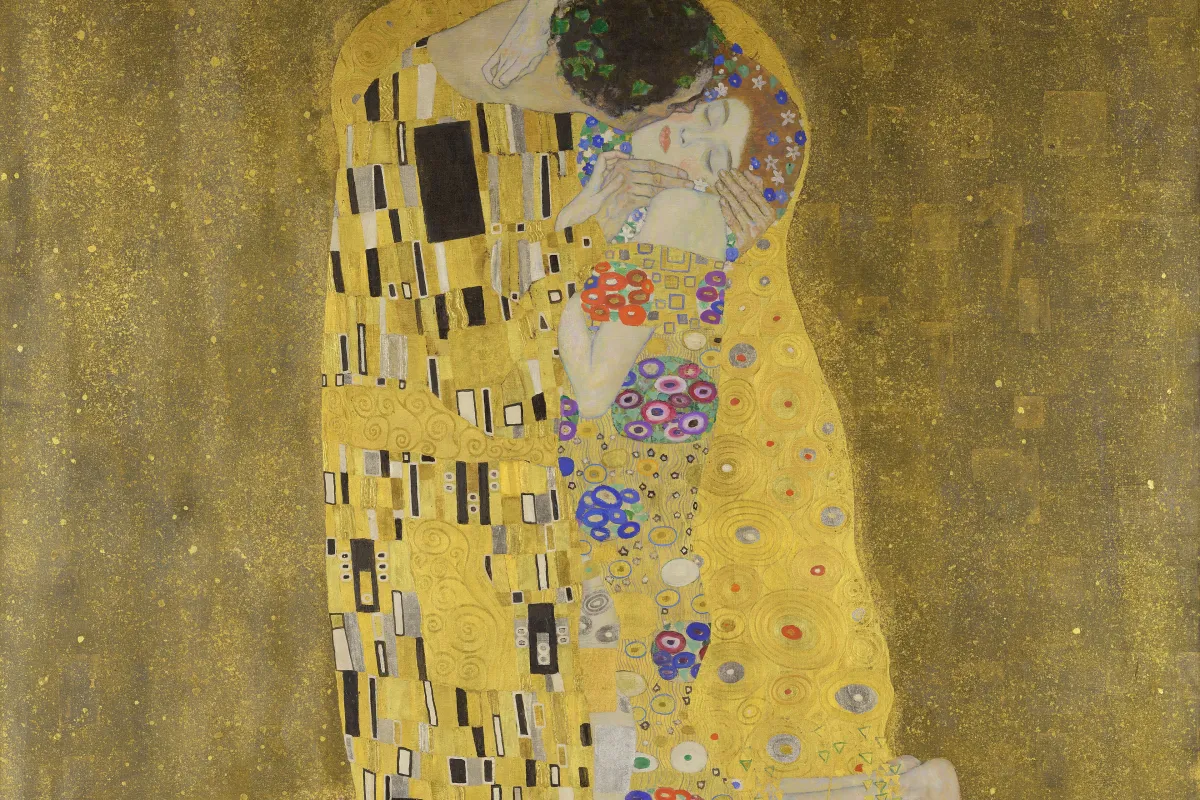
A soulmate is a separate soul you feel deeply at home with, and you can have several in one life: partners, friends, family. A twin flame, in spiritual belief, is the other half of your own soul, and you have only one. Soulmate bonds tend to feel easy and supportive; twin flame bonds are described as intense, mirroring and often turbulent, because their purpose is said to be growth rather than comfort.
Neither idea can be proven, and teachers don’t agree on every detail. What follows is how the two are usually told apart, where each idea comes from, and how to read your own connection without losing your footing. If you’re still working out whether you’ve met a soulmate at all, start with the spiritual signs you’ve met your soulmate.
Twin Flame vs Soulmate at a Glance
| Soulmate | Twin flame | |
|---|---|---|
| What it is | A separate soul with a deep affinity to yours | One soul believed to be split into two bodies |
| How many | Several in a lifetime | One |
| How it feels | Familiar, calm, safe | Electric, intense, unsettling |
| Purpose | Companionship, support, shared life | Mirroring your wounds so you heal and grow |
| Romance | Romantic, platonic or family | Often romantic, sometimes platonic |
| Course of the bond | Usually steady, can last a lifetime | Cycles of closeness and separation |
| Where the idea comes from | Plato’s Symposium, 4th century BC | Victorian fiction, then 20th-century New Age teaching |
What Is a Soulmate?
A soulmate is someone whose soul recognizes yours: two complete people who fit together easily. The bond often feels familiar from the first meeting, as if you’re picking up a conversation rather than starting one.
The idea is old. In Plato’s Symposium, written in the 4th century BC, the comic poet Aristophanes tells a myth in which the first humans had four arms, four legs and two faces. Zeus split them in half, and ever since, each half has searched for its other. Love, he says, is the name for that search. Modern soulmate belief keeps the longing for a perfect fit but drops the idea that you have only one.
Most spiritual teachers describe several kinds of soulmate:
- Romantic soulmates: partners you build a life with
- Platonic soulmates: friends who understand you without explanation
- Soul family: relatives, mentors or companions who belong to the same soul family and keep returning across lifetimes
- Karmic partners: people who arrive to settle an old debt or teach a hard lesson, then leave, often linked to soul contracts made before birth
What Is a Twin Flame?
A twin flame is believed to be the other half of a single soul, living in a separate body. Where soulmates are two souls that fit, twin flames are described as one soul meeting itself, which is why the connection is said to feel like looking in a mirror.
The term is far younger than the soulmate idea. The history of the twin flame concept traces “twin soul” and “twin flame” to the Victorian novelist Marie Corelli, whose A Romance of Two Worlds appeared in 1886. The American teacher Elizabeth Clare Prophet of the Summit Lighthouse popularized it from the 1970s, and her 1999 book Soul Mates and Twin Flames set out how twin flames differ from soulmates and karmic partners. There is no scientific evidence for the idea; it is a belief, held by many people who find it meaningful.
Twin flame teachers say the two halves rarely meet calmly. The meeting is expected to stir up each person’s unhealed fears, and the bond moves through recognition, turmoil, separation and, for some, reunion. Those phases are covered in the stages of a twin flame reunion.
What Are the Main Differences Between a Twin Flame and a Soulmate?
The main differences are in how the connection feels, what it is for, how many you have, and whether it settles into a lasting bond.
How the Connection Feels
A soulmate feels like home: easy silences, comfort, a sense of being accepted as you are. A twin flame is described as a jolt. People speak of instant recognition, a pull they can’t explain and emotions that swing from euphoria to distress. If a connection mostly brings peace, it fits the soulmate description; if it mostly brings upheaval, believers would call it a twin flame, though upheaval alone proves nothing (see the section on intensity below).
What Each Connection Is For
Soulmates are said to arrive to support you: to share a life, raise a family, see you through grief. Twin flames are said to arrive to change you. Because your twin is believed to reflect you exactly, they show you your insecurities, attachment patterns and old wounds, and the bond pushes both people toward healing and spiritual transformation.
How Many You Have
You can have many soulmates, and they can appear at any age and in any role. In twin flame teaching you have one twin flame, and some teachers add that not everyone meets theirs in this lifetime. That scarcity is part of why the idea is so compelling, and also why it can become a source of anxiety.
Whether It Has to Be Romantic
Neither has to be. Soulmates are as often friends or family as partners. Twin flames are usually pictured as lovers, but many teachers accept platonic twin flames, described in twin flame friendship.
Whether It Lasts
Soulmate relationships are the ones believers expect to last: they deepen over time without much drama. Twin flame relationships are expected to come and go, with separation treated as part of the path rather than an ending. Many teachers say a twin flame union is possible only once both people have done their inner work, and that it may not happen at all in this life.
How Can You Tell Which One You’ve Met?
You can tell mainly by what the connection does to you over months, not by how the first meeting felt. Questions worth sitting with:
- Do you feel calmer or more unsettled around them? Calm points to a soulmate; constant upheaval points to what believers call a twin flame, or to a relationship that simply isn’t good for you
- Do they reflect you, or complement you? A soulmate fills in what you lack; a twin flame is said to share your strengths and your wounds, so you see yourself in them
- Is the bond steady or cyclical? Repeated pulling away and returning is the pattern twin flame teaching describes
- Are you growing, or only hurting? Growth should show in your own life: better boundaries, clearer sense of self, kinder habits. Pain with no growth is not a spiritual sign
- Is the feeling mutual? Both soulmate and twin flame bonds are described as two-way. A connection only one person feels is not one
Many people find the label matters less than the answers. A connection that leaves you more yourself is worth keeping, whatever you call it.
When Intensity Isn’t a Spiritual Sign
Intensity on its own isn’t evidence of a twin flame. Hot-and-cold behavior, jealousy and the feeling that you can’t live without someone are also features of unhealthy relationships.
The pattern psychologists describe is the trauma bond: an attachment that forms through cycles of harm and affection, and feels like a deep connection precisely because of the highs and lows. If a “twin flame” belittles you, controls you, or keeps you waiting while you put your life on hold, the spiritual label is getting in the way of seeing it.
Belief in destiny affects ordinary relationships too. Psychologist C. Raymond Knee’s research, summarized in Psychology Today’s “Does Fate Make Mates?”, found that people who believe partners are simply meant to be or not tend to end relationships abruptly when problems appear, while people who believe closeness grows over time tend to work problems through together. Whatever you believe about souls, a relationship still needs effort from both people.
If you feel afraid of a partner, in the US you can call the National Domestic Violence Hotline at 1-800-799-7233 or chat at thehotline.org.
Twin Flame vs Soulmate FAQ
Can your twin flame also be your soulmate?
Teachers disagree. Some treat a twin flame as a special kind of soulmate, so the same person can be both. Others keep them strictly apart, because a soulmate is a separate soul and a twin flame is half of your own. In practice, a twin flame relationship that settles into lasting calm and mutual support looks a lot like a soulmate one.
Is a twin flame deeper than a soulmate?
A twin flame is described as more intense, not better. Intensity and depth aren’t the same thing: a soulmate marriage of forty years can be the deeper bond. Each is said to serve a different purpose, growth for the twin flame and companionship for the soulmate, so ranking them misses the point.
Can you have more than one twin flame?
No, in twin flame teaching each soul has one counterpart. If you’ve felt a “twin flame” pull with several people, they are more likely soulmates or karmic partners, people who arrived to teach you something specific. You can have any number of soulmates.
Do twin flames always end up together?
No. Even believers say union isn’t guaranteed: it is said to depend on both people’s inner work and readiness, and it may never happen in this lifetime. Waiting indefinitely for someone who has chosen to leave is not what the teaching asks of you; the healing the bond brought is yours to keep either way.
What is a karmic partner compared with both?
A karmic partner is a soul you’re believed to have unfinished business with from a past life. The relationship is often magnetic and painful, and it tends to end once the lesson is learned. Unlike a soulmate, it isn’t built to last; unlike a twin flame, it isn’t half of your own soul.
Sources
- Plato, Symposium, translated by Benjamin Jowett, The Internet Classics Archive, MIT
- Twin flame, Wikipedia
- Trauma bonding, Psychology Today
- Nadia Hohn and Annie Paul, “Does Fate Make Mates?”, Psychology Today, July 1998, on C. Raymond Knee’s research
- National Domestic Violence Hotline
Image: The Kiss, Gustav Klimt, 1907–1908, Belvedere, Vienna. Public domain, via Wikimedia Commons.

